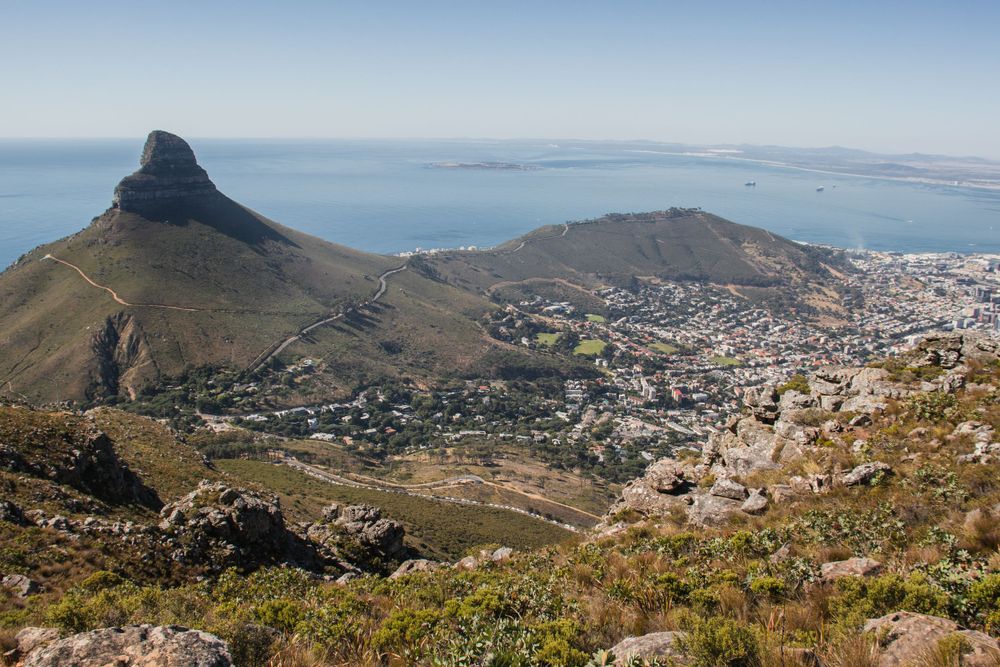
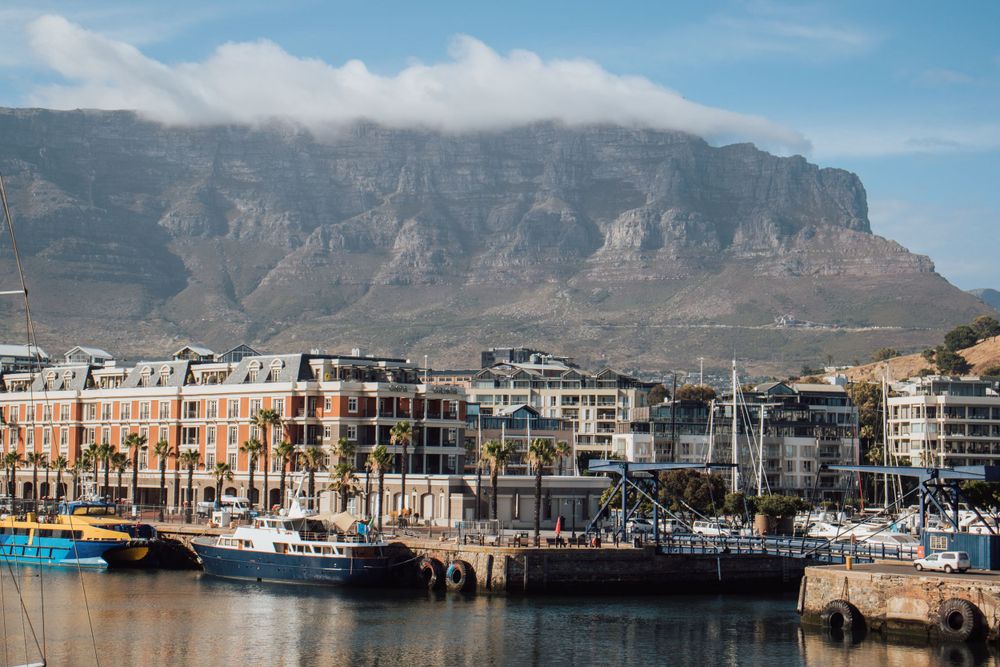
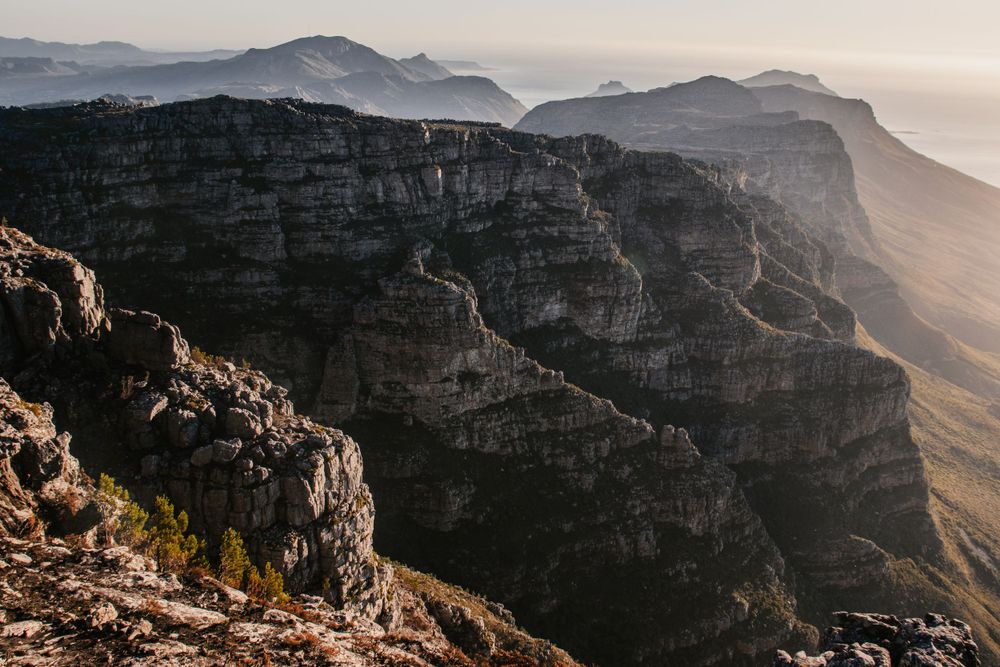
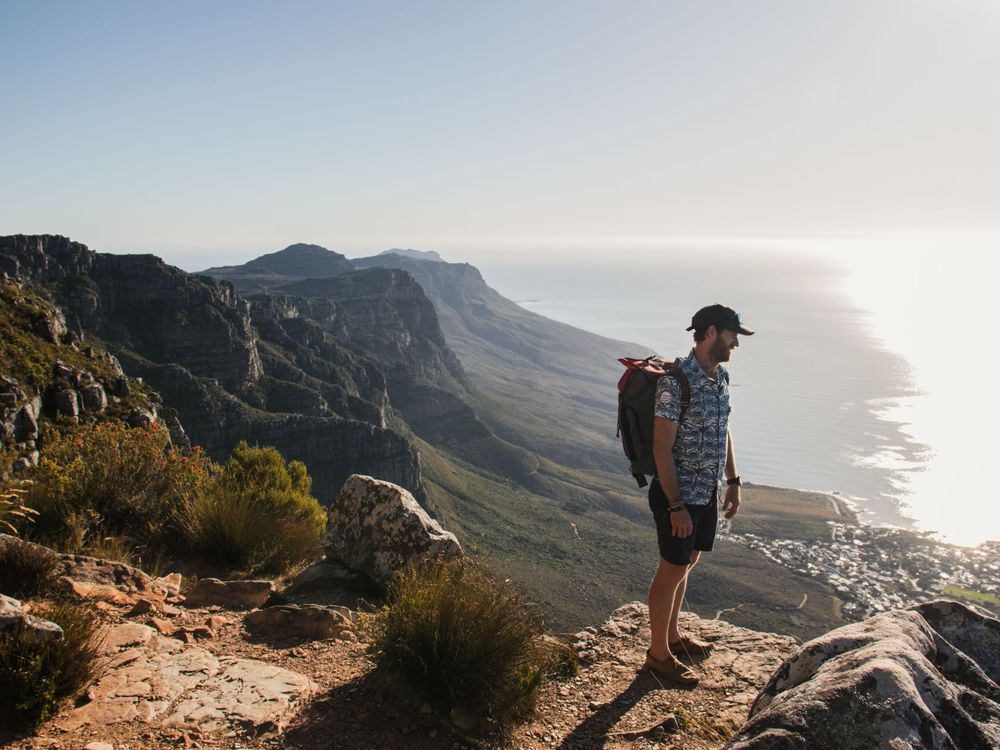
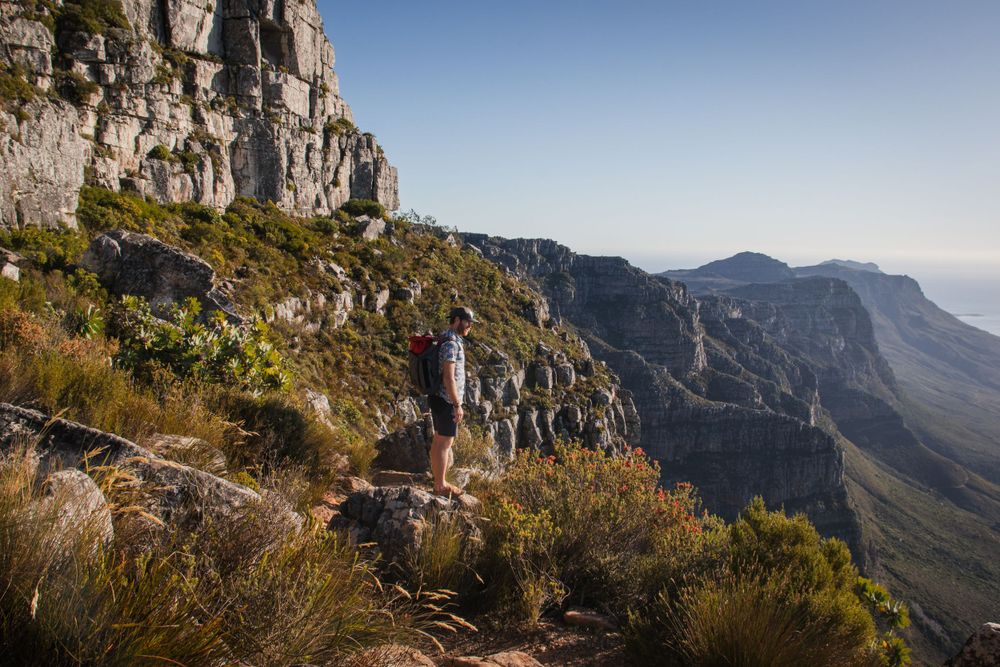
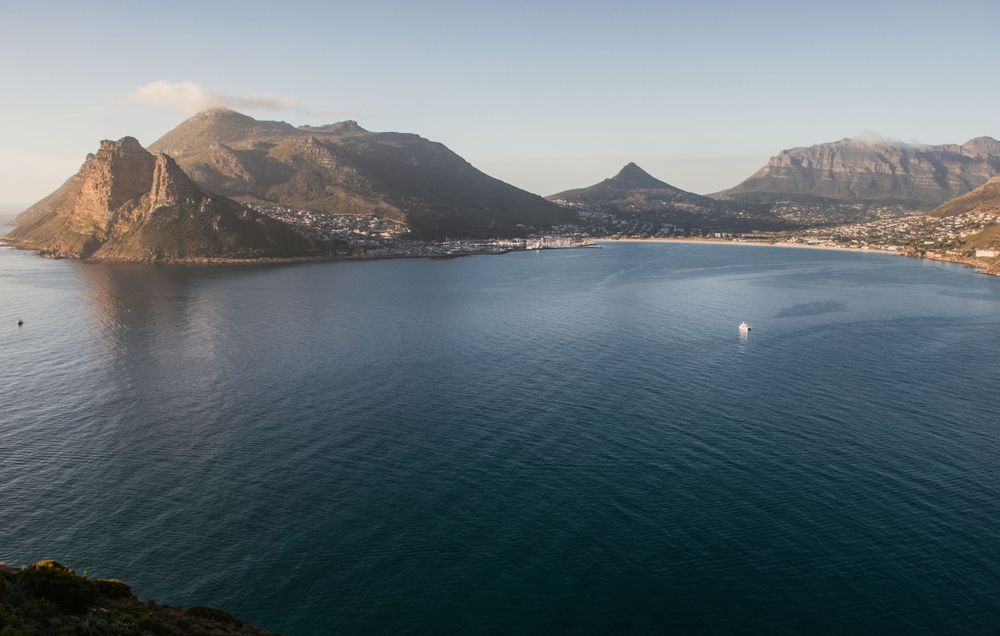
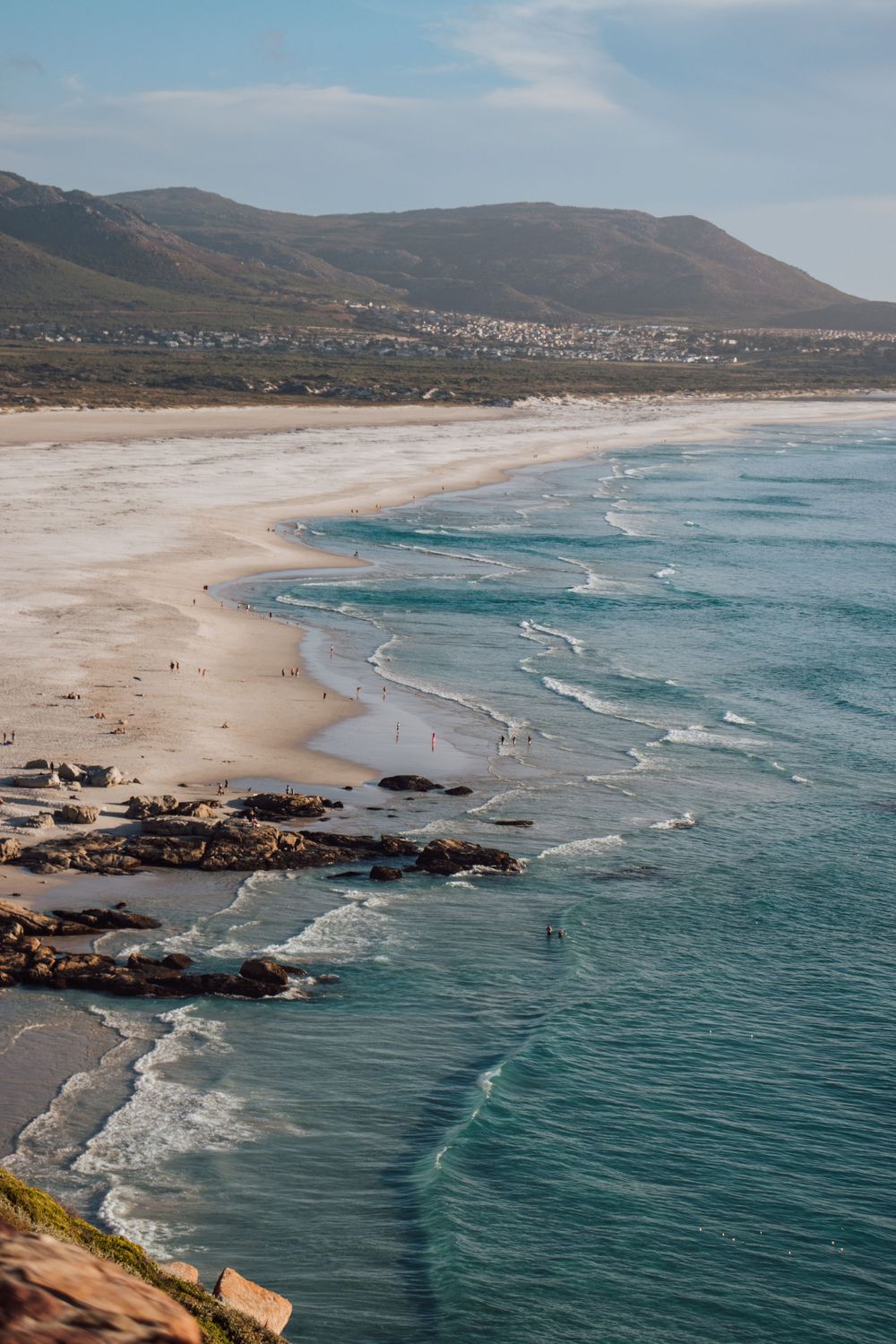
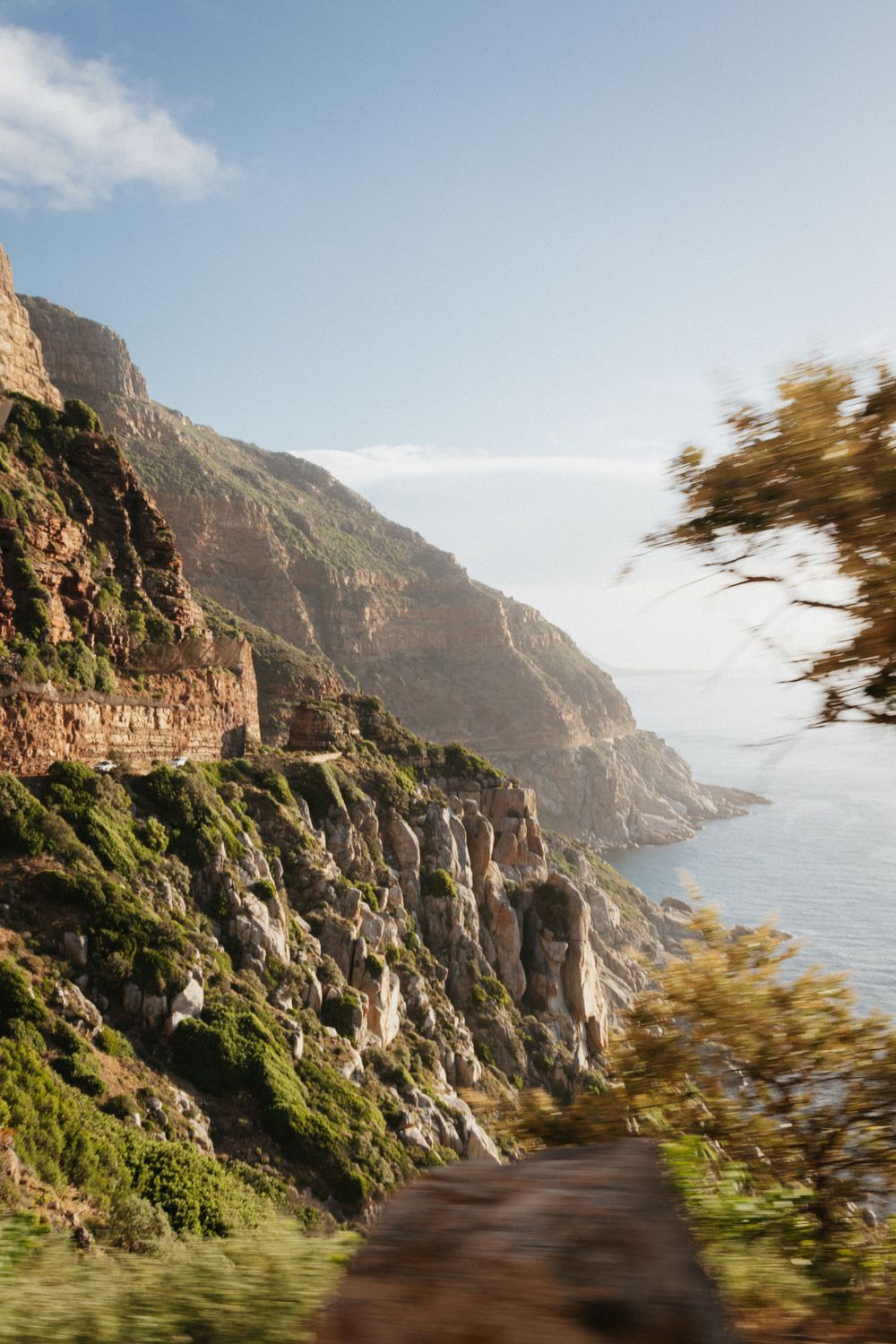
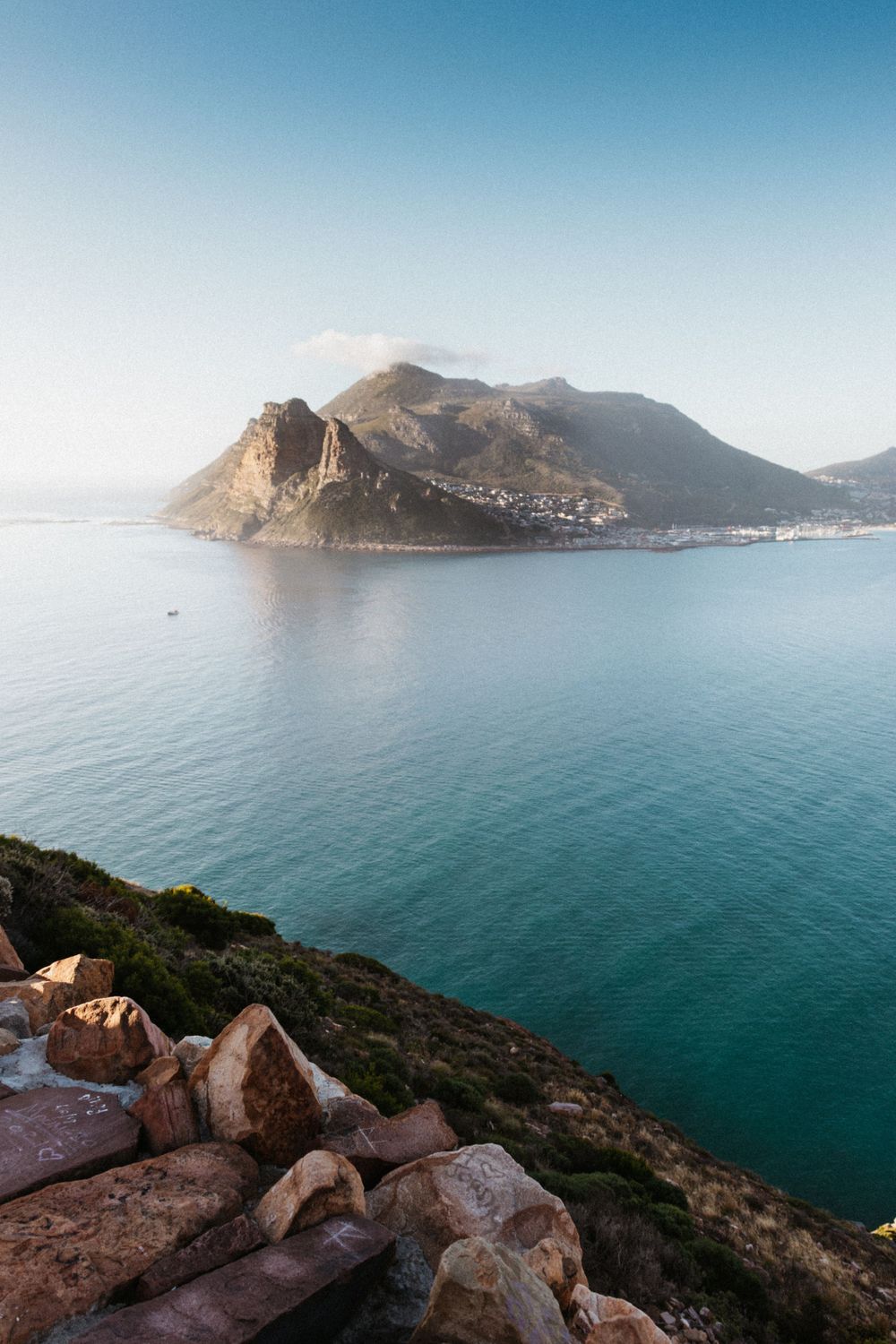
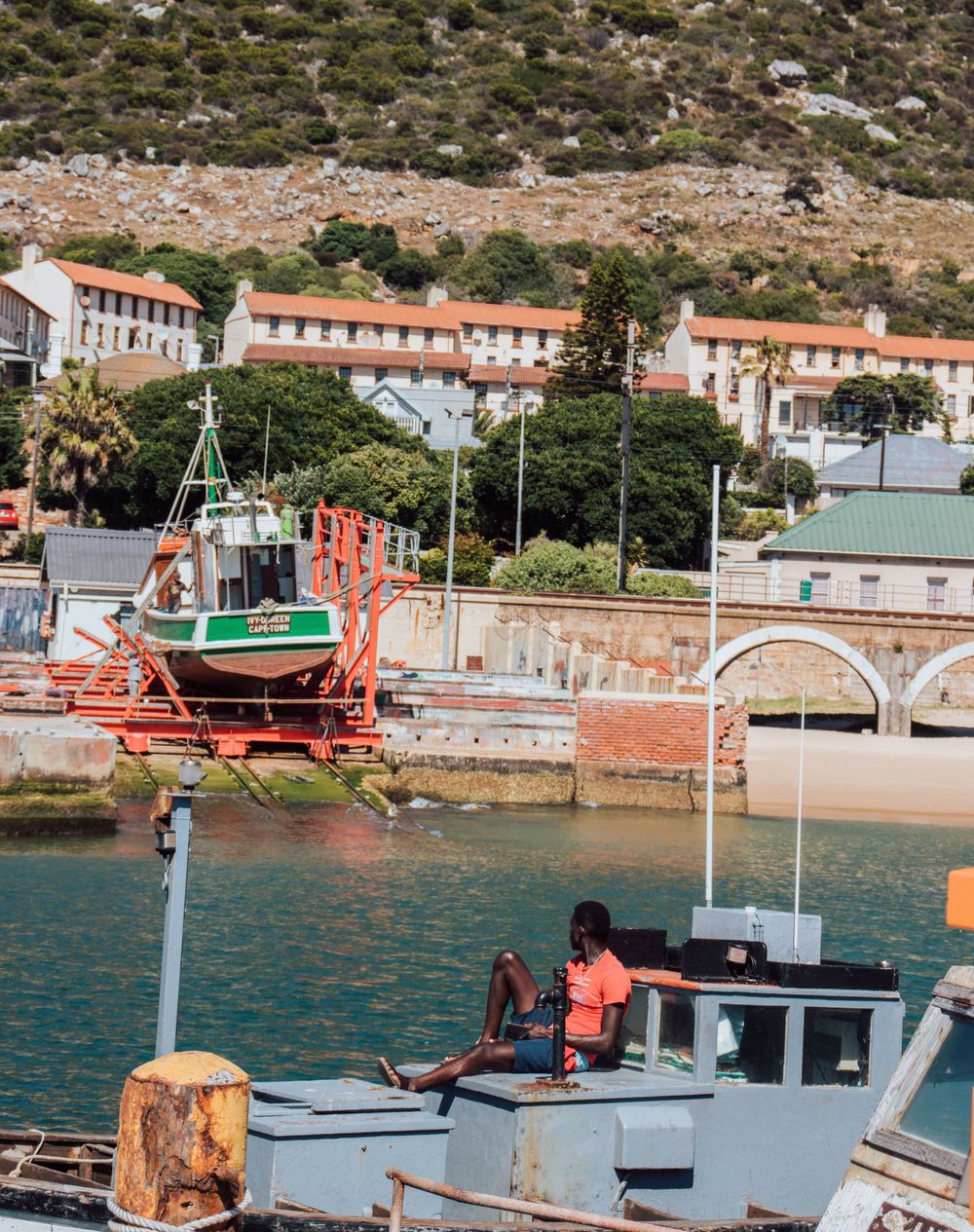
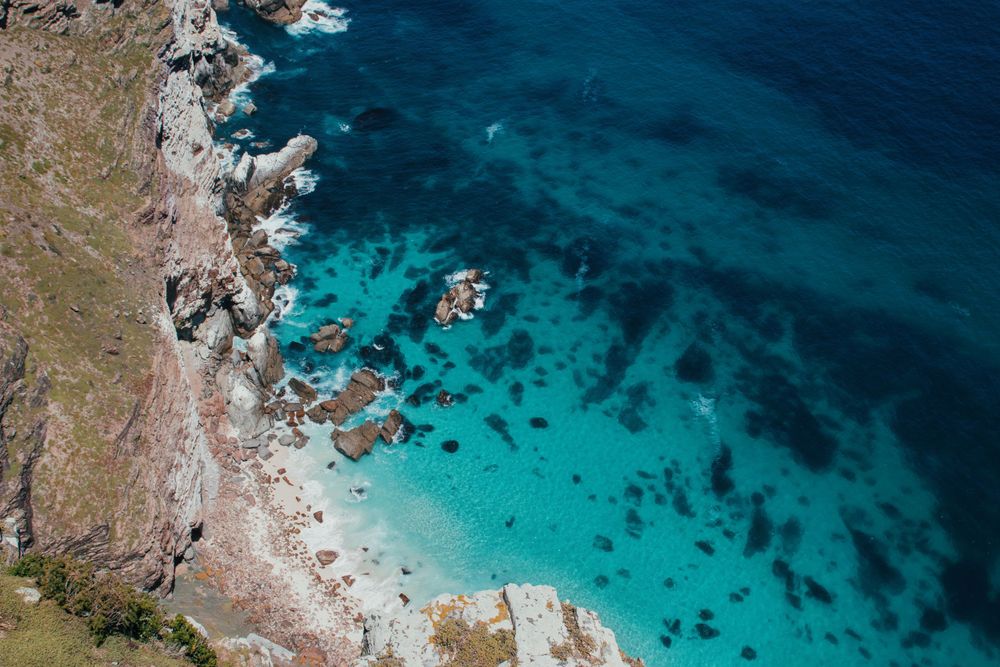
The meeting point of the Atlantic and Indian Oceans forms a rugged coastline in this remarkable region. Here, sea collides with coast, mountains stand alongside vineyards, safaris traverse deserts, and rainforests punctuate the landscape. This convergence of landscapes centers around Cape Town, a city that sits snugly in the "bowl" beneath Table Mountain and Lion's Head.
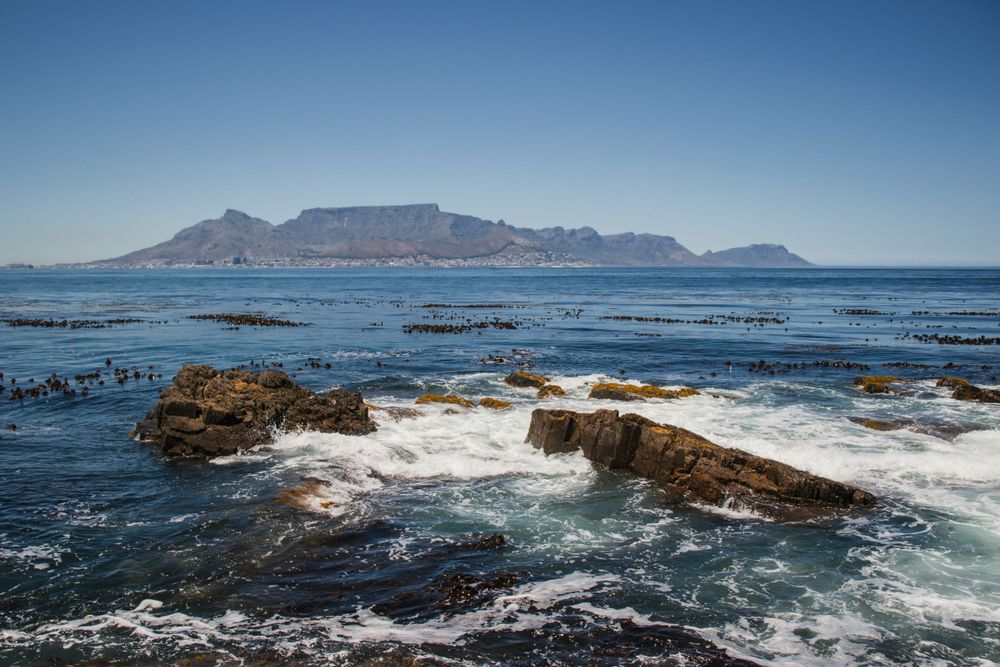
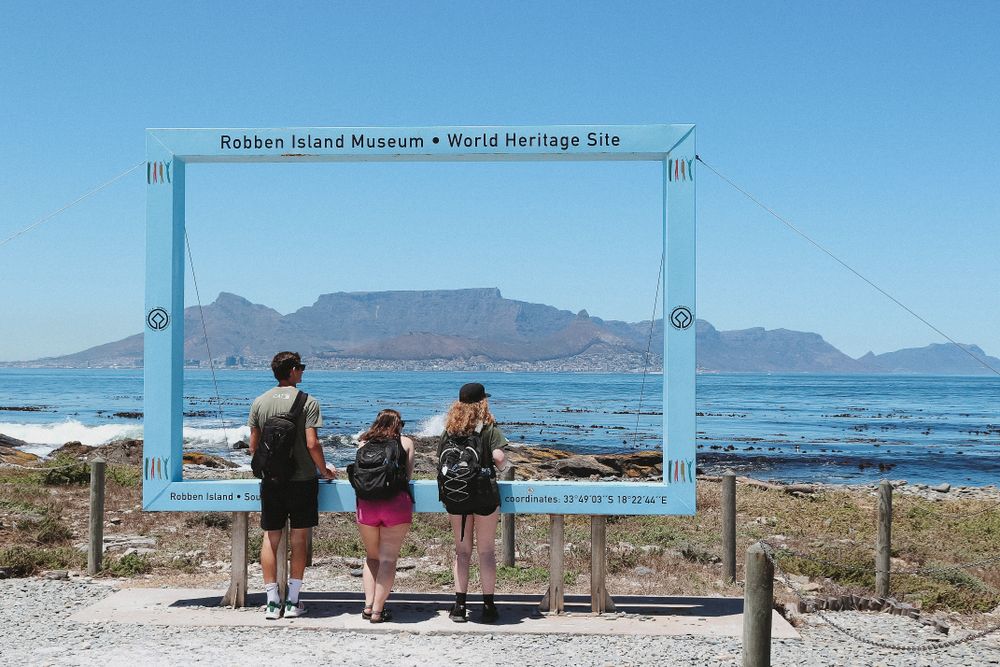
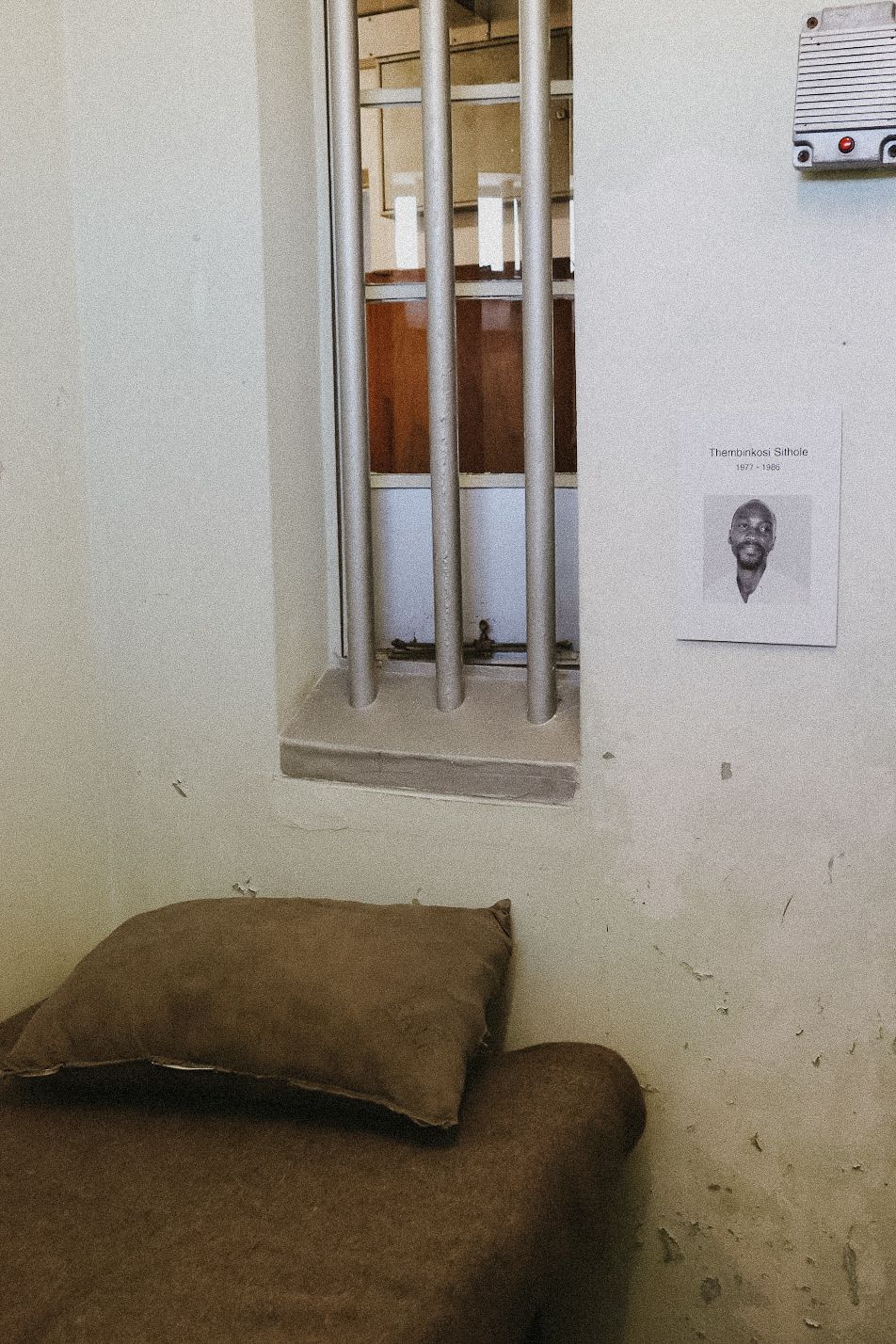
Beyond the picturesque scenery lies a complex history that has molded Cape Town into the diverse city it is today. Once a place where political prisoners alongside the great Nelson Mandela yearned for freedom from Robben Island just 30 years ago. Despite progress, lingering socio-economic disparities persist, mirroring the institutionalized racism found in my own country, the United States.
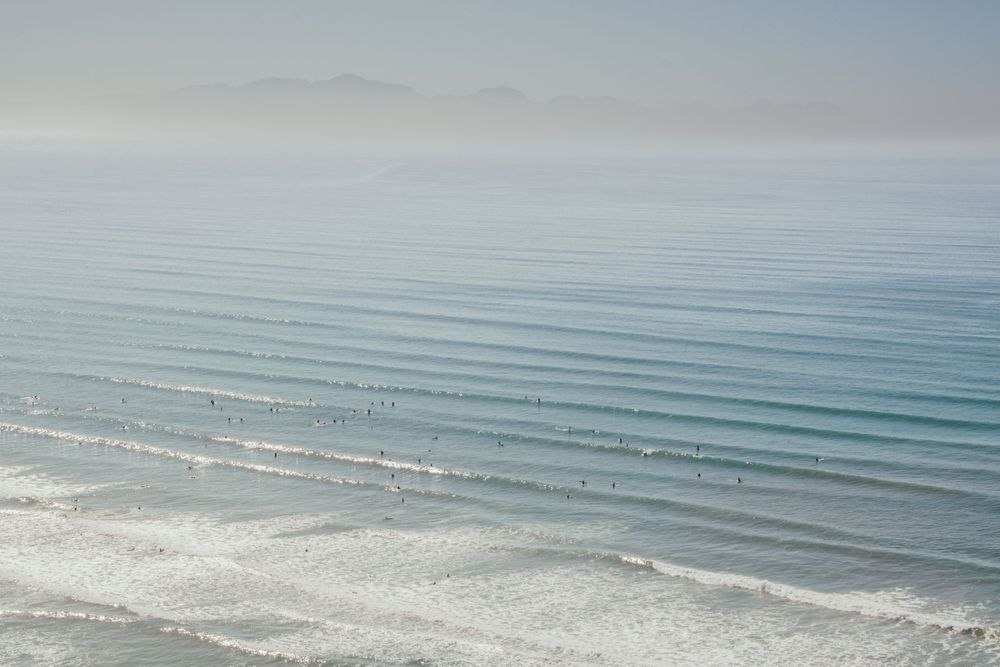
What strikes me about the people of Cape Town today is their ability to come together, which stands on the basis of their connection to the outdoors. Whether surfing, enjoying a flat white by the beach, adventure racing, or unwinding with a "sundowner" (an often daily tradition whereby a group of family or friends enjoys the sunset over drinks and snacks), their lives revolve around nature. This outdoor-centric lifestyle contributes to a community-oriented population marked by happiness, activity, and health—a contrast to the societal challenges prevalent in the United States. Organizing their lives around outdoor pursuits, the people of Cape Town – in all walks of life – exemplify a collective commitment to joy and unity that leaves a lasting impression.
The Western Cape stands out for its diverse landscapes, offering a unique blend that caters to various types of travelers. It's a must-visit destination for outdoor enthusiasts, history and culture aficionados, adventurers, food enthusiasts, adrenaline junkies, and more. In the local vernacular, it's simply "Lekker!"